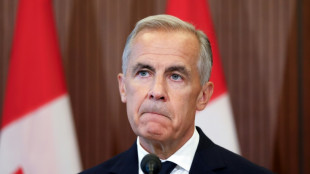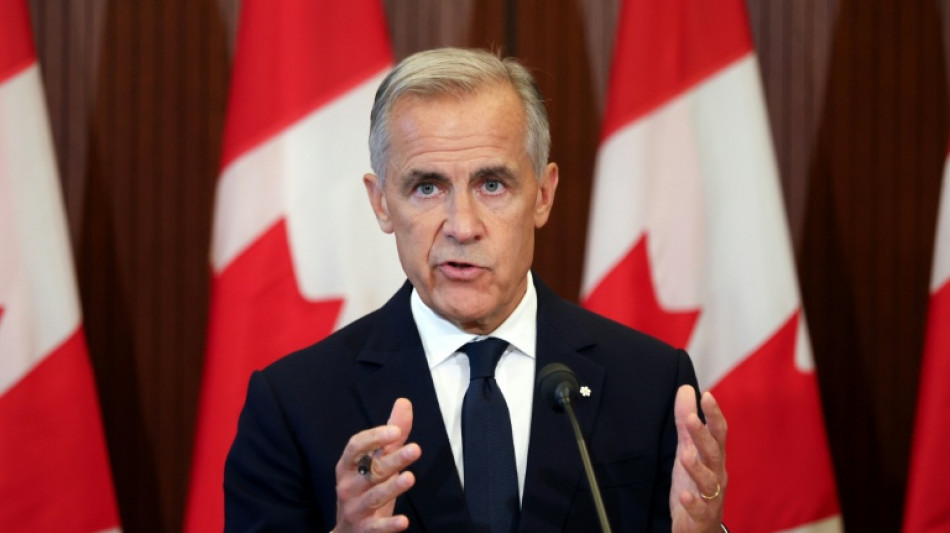
Canada hits back with new tariffs after trade talks with US fail / Photo: Dave Chan - AFP

 London
 21 °C
21 °C
 Manchester
 16 °C
16 °C
 Glasgow
14 °C
Glasgow
14 °C
 Dublin
16 °C
Dublin
16 °C
 Belfast
 16 °C
16 °C
 Washington
25 °C
Washington
25 °C
 Denver
30 °C
Denver
30 °C
 Atlanta
32 °C
Atlanta
32 °C
 Dallas
 40 °C
40 °C
 Houston Texas
37 °C
Houston Texas
37 °C
 New Orleans
33 °C
New Orleans
33 °C
 El Paso
34 °C
El Paso
34 °C
 Phoenix
41 °C
Phoenix
41 °C
 Los Angeles
31 °C
San Diego
28 °C
San Francisco
18 °C
Chicago
27 °C
Minneapolis
25 °C
Seattle
18 °C
Portland
18 °C
Salt Lake City
32 °C
Las Vegas
39 °C
Miami
34 °C
Jacksonville
33 °C
San Antonio
38 °C
Bermuda
30 °C
Nassau
24 °C
Iqaluit
12 °C
Yellowknife
15 °C
Anchorage
12 °C
Fairbanks
13 °C
Barrow
2 °C
Calgary
21 °C
Edmonton
31 °C
Winnipeg
22 °C
Goose Bay
27 °C
Halifax
Los Angeles
31 °C
San Diego
28 °C
San Francisco
18 °C
Chicago
27 °C
Minneapolis
25 °C
Seattle
18 °C
Portland
18 °C
Salt Lake City
32 °C
Las Vegas
39 °C
Miami
34 °C
Jacksonville
33 °C
San Antonio
38 °C
Bermuda
30 °C
Nassau
24 °C
Iqaluit
12 °C
Yellowknife
15 °C
Anchorage
12 °C
Fairbanks
13 °C
Barrow
2 °C
Calgary
21 °C
Edmonton
31 °C
Winnipeg
22 °C
Goose Bay
27 °C
Halifax
 21 °C
Boston
21 °C
Ottawa
25 °C
Toronto
24 °C
Detroit
22 °C
Cleveland
22 °C
New York
25 °C
Baltimore
24 °C
Philadelphia
25 °C
Nuuk (Godthåb)
10 °C
Hong Kong
30 °C
Singapore
28 °C
Melbourne
34 °C
Canberra
21 °C
Boston
21 °C
Ottawa
25 °C
Toronto
24 °C
Detroit
22 °C
Cleveland
22 °C
New York
25 °C
Baltimore
24 °C
Philadelphia
25 °C
Nuuk (Godthåb)
10 °C
Hong Kong
30 °C
Singapore
28 °C
Melbourne
34 °C
Canberra
 2 °C
Adelaide
2 °C
Adelaide
 10 °C
Darwin
10 °C
Darwin
 23 °C
Perth
15 °C
Fort Worth
40 °C
Honolulu
28 °C
Sydney
12 °C
Johannesburg
23 °C
Perth
15 °C
Fort Worth
40 °C
Honolulu
28 °C
Sydney
12 °C
Johannesburg
 13 °C
Dubai
37 °C
Mumbai
28 °C
Zürich
19 °C
Tokyo
25 °C
Seoul
23 °C
Delhi
31 °C
Beijing
26 °C
Riyadh
36 °C
Prague
18 °C
Pennsylvania
25 °C
Valletta
30 °C
Manama
35 °C
Warsaw
16 °C
Stockholm
17 °C
13 °C
Dubai
37 °C
Mumbai
28 °C
Zürich
19 °C
Tokyo
25 °C
Seoul
23 °C
Delhi
31 °C
Beijing
26 °C
Riyadh
36 °C
Prague
18 °C
Pennsylvania
25 °C
Valletta
30 °C
Manama
35 °C
Warsaw
16 °C
Stockholm
17 °C
Canadian Prime Minister Mark Carney said Saturday he would slap retaliatory tariffs on the United States after walking away from a "bad deal" on trade, deepening the rift between the longtime allies.
Negotiations between the neighboring countries broke down on Friday in Washington, allowing new 50-percent US tariffs impacting some $20 billion worth of goods, or 5.5 percent of Canadian exports to the United States, to come into force.
Impacted products range from hockey sticks to cement.
US President Donald Trump had said Washington "should be able to have a deal with Canada," citing his "good relationship" with Carney.
But on Saturday, the Canadian prime minister said Trump had set conditions that were ultimately unacceptable.
"We believed earlier this week that we were moving towards a mutually beneficial agreement," Carney said in the Canadian capital Ottawa.
"In recent days, the United States proposed new terms that were uneconomic, unfair, and undermined the net benefits for Canada, and called into question the reliability of any deal. In short, they asked too much and they offered too little," he said.
"We cannot accept what they've offered, and we will not give what they've asked," Carney said, accusing Trump of launching a trade "war."
"You're at war when you get attacked. We got attacked," Carney said.
New Canadian tariffs will notably target the US steel and dairy industries, and take effect on September 8. Carney said further details would come next week.
On Friday, US Trade Representative Jamieson Greer said Washington had offered "significant tariff reductions on steel, aluminum, autos and lumber" in exchange for concessions from Canada.
A senior US official, who spoke on condition of anonymity, characterized the talks as candid and not acrimonious, but said there were no further scheduled meetings.
- 'Significant pressure' -
Canada has been seeking relief from Trump's tariffs on autos, steel and aluminum, which have battered the country's economy, forced job losses and strained what was once an iron-clad trade relationship.
Canadian negotiators had been camped out in Washington this week to firm up a deal that aimed to address various flashpoints.
The White House had alleged "discriminatory treatment" by Canada against US alcohol, automobile and dairy products in introducing the duties.
They were originally set to take effect on Wednesday, before Trump issued a last-minute delay of three days, citing major progress in talks.
Ryan Majerus, a former US commerce official who now is a trade lawyer with King & Spalding, told AFP that "both sides will face significant pressure in the coming days to find an off-ramp."
Beyond the latest tariffs, the United States and Canada still have to agree on revisions to the North American free trade agreement, USMCA, which Trump declined to renew in its current form.
Bilateral ties also have been hurt by Trump's repeated threats to make Canada the 51st US state.
Trump was irked by Carney's widely-touted January speech at the World Economic Forum in Davos, Switzerland in which the prime minister declared that the global order was experiencing a "rupture."
The Canadian leader has repeatedly said that relations with the United States have been forever changed, and that the country must reduce its reliance on the United States, which currently accounts for roughly 70 percent of Canadian exports.
"We've been under no illusions. We recognized from the start that America has changed," Carney told reporters on Saturday.
S.Maiolo--INP