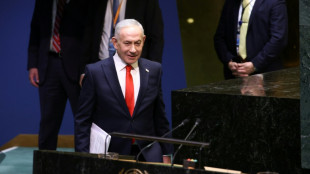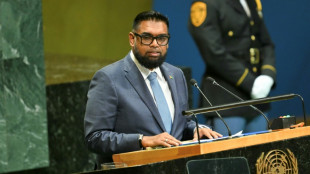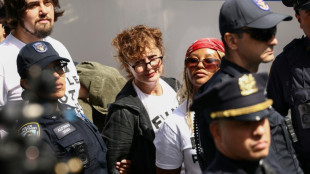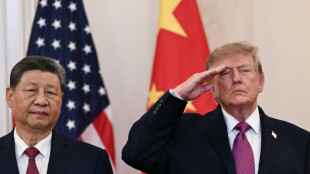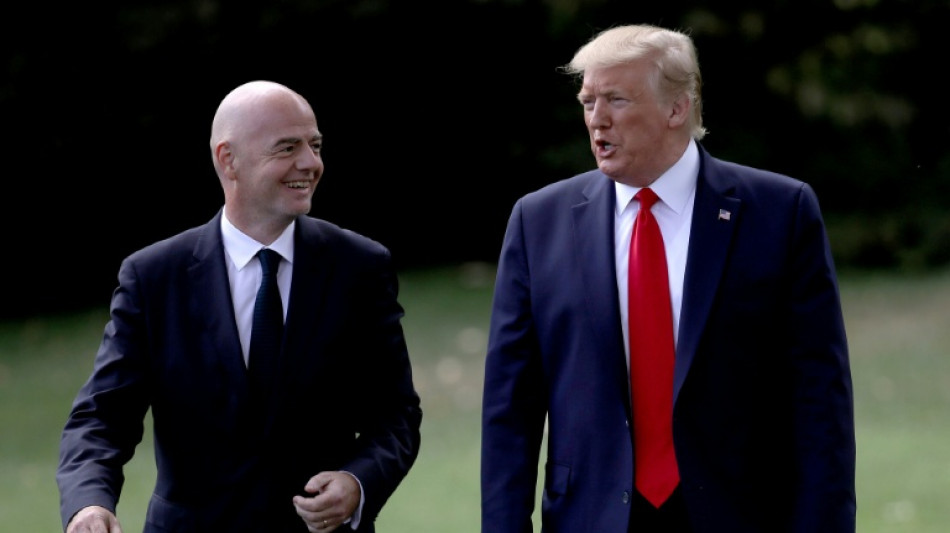
When politics intruded on the World Cup pitch / Photo: WIN MCNAMEE - GETTY IMAGES NORTH AMERICA/AFP
 London
 18 °C
18 °C
 Manchester
17 °C
Manchester
17 °C
 Glasgow
13 °C
Glasgow
13 °C
 Dublin
18 °C
Dublin
18 °C
 Belfast
17 °C
Belfast
17 °C
 Washington
18 °C
Washington
18 °C
 Denver
21 °C
Denver
21 °C
 Atlanta
20 °C
Atlanta
20 °C
 Dallas
32 °C
Dallas
32 °C
 Houston Texas
 34 °C
34 °C
 New Orleans
 31 °C
31 °C
 El Paso
24 °C
El Paso
24 °C
 Phoenix
27 °C
Phoenix
27 °C
 Los Angeles
26 °C
San Diego
25 °C
San Francisco
23 °C
Chicago
20 °C
Minneapolis
19 °C
Seattle
15 °C
Portland
17 °C
Salt Lake City
25 °C
Las Vegas
32 °C
Miami
32 °C
Jacksonville
24 °C
San Antonio
33 °C
Bermuda
Los Angeles
26 °C
San Diego
25 °C
San Francisco
23 °C
Chicago
20 °C
Minneapolis
19 °C
Seattle
15 °C
Portland
17 °C
Salt Lake City
25 °C
Las Vegas
32 °C
Miami
32 °C
Jacksonville
24 °C
San Antonio
33 °C
Bermuda
 26 °C
Nassau
18 °C
Iqaluit
5 °C
Yellowknife
9 °C
Anchorage
6 °C
Fairbanks
2 °C
Barrow
-2 °C
Calgary
14 °C
Edmonton
23 °C
Winnipeg
16 °C
Goose Bay
19 °C
Halifax
17 °C
Boston
18 °C
Ottawa
20 °C
Toronto
18 °C
Detroit
20 °C
Cleveland
26 °C
Nassau
18 °C
Iqaluit
5 °C
Yellowknife
9 °C
Anchorage
6 °C
Fairbanks
2 °C
Barrow
-2 °C
Calgary
14 °C
Edmonton
23 °C
Winnipeg
16 °C
Goose Bay
19 °C
Halifax
17 °C
Boston
18 °C
Ottawa
20 °C
Toronto
18 °C
Detroit
20 °C
Cleveland
 21 °C
New York
19 °C
Baltimore
19 °C
Philadelphia
18 °C
Nuuk (Godthåb)
4 °C
Hong Kong
21 °C
New York
19 °C
Baltimore
19 °C
Philadelphia
18 °C
Nuuk (Godthåb)
4 °C
Hong Kong
 28 °C
Singapore
28 °C
Singapore
 27 °C
Melbourne
30 °C
Canberra
27 °C
Melbourne
30 °C
Canberra
 11 °C
Adelaide
18 °C
Darwin
24 °C
Perth
14 °C
Fort Worth
32 °C
Honolulu
27 °C
Sydney
15 °C
Johannesburg
20 °C
Dubai
34 °C
Mumbai
29 °C
Zürich
18 °C
Tokyo
24 °C
Seoul
18 °C
Delhi
29 °C
Beijing
19 °C
Riyadh
35 °C
Prague
12 °C
Pennsylvania
19 °C
Valletta
24 °C
Manama
33 °C
Warsaw
12 °C
Stockholm
11 °C
Adelaide
18 °C
Darwin
24 °C
Perth
14 °C
Fort Worth
32 °C
Honolulu
27 °C
Sydney
15 °C
Johannesburg
20 °C
Dubai
34 °C
Mumbai
29 °C
Zürich
18 °C
Tokyo
24 °C
Seoul
18 °C
Delhi
29 °C
Beijing
19 °C
Riyadh
35 °C
Prague
12 °C
Pennsylvania
19 °C
Valletta
24 °C
Manama
33 °C
Warsaw
12 °C
Stockholm
 12 °C
12 °C
US President Donald Trump's phone call to FIFA chief Gianni Infantino to have the red card for the co-hosts star striker Folarin Balogun reviewed is the latest instance of political interference in the World Cup.
Balogun is free to play later on Monday in the last-16 match with Belgium after world football's governing body said the ban will be suspended for a year.
AFP Sport highlights other examples at previous World Cups:
1934 -- Mussolini's Cup
Italy's Fascist dictator Benito Mussolini made the most of the country hosting the finals.
Mussolini saw the possibility of not only providing the Italian people with 'bread and circuses' as Roman Emperors had done with gladiatorial combats in the Colosseum but also to both promote his regime and football as epitomising 'the new Italian'.
There was not much sporting about his behaviour during the tournament, attending every match and paying unannounced visits to the referees' changing rooms.
He obtained what he wanted, an Italy win, though, a cloud hung over it owing to suspicions of the officiating in their matches.
"This tournament was organised by Mussolini, not by FIFA," Jules Rimet, the then FIFA president, observed dryly.
1938 -- Dictator double whammy
This time round Mussolini had competition from Nazi dictator Adolf Hitler for the finals hosted in France.
The Germans had annexed Austria in the Anschluss in March that year and into their hands fell a set of talented footballers who made up the national side and were known as the 'Wunderteam'.
The majority of the Austria side were far from enthusiastic to play for their new masters -- a 'friendly' in April between the two ended with the Austrians beating Germany 2-0, in front of Hitler.
There was to be no fairytale ending as far as Hitler's regime was concerned in France -- Germany exited in the first round losing 4-2 to Switzerland.
Instead it was Italy who were to prevail again -- the team wearing black shirts akin to those worn by Mussolini's militia.
The Italian leader was not big on subtlety delivering a chilling message to the Azzurri on the eve of the final against Hungary: "Win or die".
The players stormed to a 4-2 win over the Hungarians.
"I may have conceded four goals, but I saved their lives," remarked Hungarian goalkeeper Antal Szabo.
1978 -- Junta agreement?
The tournament took place in Argentina that was in the midst of 'The Dirty War' as the military junta led by Jorge Rafael Videla dealt summarily with opponents -- throwing some of them into the sea from helicopters and torturing others, often resulting in their death.
The Higher School of Mechanics of the Navy (ESMA) in Buenos Aires -- the torture centre -- was close to the Monumental Stadium where the final was held.
FIFA, then run by Brazilian Joao Havelange, turned a deaf ear to objections that such a regime should host football's showpiece event.
On the pitch the hosts were struggling to deliver the home victory that Videla and his fellow generals so desperately wanted.
In order to leapfrog Brazil in the table and advance to the final they needed to beat a talented Peru team by at least four goals.
The Peruvians, though, had run out of steam after topping their first round group which included eventual finalists the Netherlands, and were out of contention to make the final.
Nevertheless eyebrows were raised as Argentina eased to a 6-0 whipping of Peru.
There were whispers of a deal between the respective juntas in Argentina and Peru.
Such suspicions about Argentine chicanery were not just confined to that match.
"Everything, even the air, is in favour of Argentina," remarked acidly Hungary coach Lajos Baroti.
Argentina were to go on and beat the Dutch after extra-time in the final.
1982 -- The whistleblower
Trailing 3-1 to a flair-filled France side in their second group match, Kuwait appeared to have conceded a fourth when Alain Giresse netted for the French.
However, pandemonium broke out as the Kuwaiti players claimed they thought they had heard the whistle and stopped playing.
They demanded the goal be chalked off.
Adding unexpected weight to their cause, the Kuwaiti Olympic Committee president Sheikh Fahad Al-Ahmed Al-Jaber Al-Sabah came on to the pitch and told the Soviet referee Myroslav Stupar to cancel the goal.
Stupar acceded to his demand -- it mattered little as the French were to add a fourth a minute from time.
The Sheikh met a tragic end eight years later, shot dead by Iraqi troops when they invaded Kuwait.
S.Abato--INP