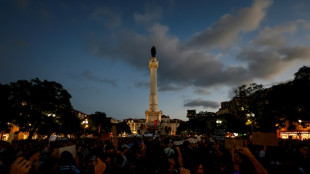
IMF cuts eurozone growth forecast to 1.1%, warns of strong euro / Photo: Nicolas TUCAT - AFP/File

 London
 9 °C
9 °C

 Manchester
9 °C
Manchester
9 °C
 Glasgow
 10 °C
10 °C
 Dublin
 6 °C
6 °C
 Belfast
 5 °C
5 °C
 Washington
 14 °C
14 °C
 Denver
26 °C
Denver
26 °C
 Atlanta
18 °C
Atlanta
18 °C
 Dallas
19 °C
Dallas
19 °C
 Houston Texas
22 °C
Houston Texas
22 °C
 New Orleans
 22 °C
22 °C
 El Paso
17 °C
El Paso
17 °C
 Phoenix
 26 °C
26 °C
 Los Angeles
32 °C
San Diego
31 °C
San Francisco
27 °C
Chicago
14 °C
Minneapolis
16 °C
Seattle
16 °C
Portland
Los Angeles
32 °C
San Diego
31 °C
San Francisco
27 °C
Chicago
14 °C
Minneapolis
16 °C
Seattle
16 °C
Portland
 17 °C
Salt Lake City
22 °C
Las Vegas
25 °C
Miami
17 °C
Salt Lake City
22 °C
Las Vegas
25 °C
Miami
 27 °C
Jacksonville
22 °C
San Antonio
21 °C
Bermuda
27 °C
Nassau
10 °C
Iqaluit
-10 °C
Yellowknife
9 °C
Anchorage
5 °C
Fairbanks
27 °C
Jacksonville
22 °C
San Antonio
21 °C
Bermuda
27 °C
Nassau
10 °C
Iqaluit
-10 °C
Yellowknife
9 °C
Anchorage
5 °C
Fairbanks
 1 °C
Barrow
-3 °C
Calgary
19 °C
Edmonton
15 °C
Winnipeg
15 °C
Goose Bay
7 °C
Halifax
8 °C
Boston
9 °C
Ottawa
6 °C
Toronto
10 °C
Detroit
12 °C
Cleveland
10 °C
New York
11 °C
Baltimore
13 °C
Philadelphia
11 °C
Nuuk (Godthåb)
0 °C
Hong Kong
28 °C
Singapore
28 °C
Melbourne
23 °C
Canberra
11 °C
Adelaide
20 °C
Darwin
26 °C
Perth
16 °C
Fort Worth
18 °C
Honolulu
28 °C
Sydney
15 °C
Johannesburg
22 °C
Dubai
32 °C
Mumbai
29 °C
Zürich
10 °C
Tokyo
15 °C
Seoul
20 °C
Delhi
21 °C
Beijing
15 °C
Riyadh
30 °C
Prague
12 °C
Pennsylvania
12 °C
Valletta
21 °C
Manama
30 °C
Warsaw
6 °C
Stockholm
6 °C
1 °C
Barrow
-3 °C
Calgary
19 °C
Edmonton
15 °C
Winnipeg
15 °C
Goose Bay
7 °C
Halifax
8 °C
Boston
9 °C
Ottawa
6 °C
Toronto
10 °C
Detroit
12 °C
Cleveland
10 °C
New York
11 °C
Baltimore
13 °C
Philadelphia
11 °C
Nuuk (Godthåb)
0 °C
Hong Kong
28 °C
Singapore
28 °C
Melbourne
23 °C
Canberra
11 °C
Adelaide
20 °C
Darwin
26 °C
Perth
16 °C
Fort Worth
18 °C
Honolulu
28 °C
Sydney
15 °C
Johannesburg
22 °C
Dubai
32 °C
Mumbai
29 °C
Zürich
10 °C
Tokyo
15 °C
Seoul
20 °C
Delhi
21 °C
Beijing
15 °C
Riyadh
30 °C
Prague
12 °C
Pennsylvania
12 °C
Valletta
21 °C
Manama
30 °C
Warsaw
6 °C
Stockholm
6 °C
Economic growth across the eurozone will slow to an estimated 1.1 percent this year as higher energy prices weigh on manufacturing, the International Monetary Fund said Tuesday.
In its first update to forecasts since the Mideast war erupted, the IMF said eurozone exporters are also exposed to the euro's strength against the dollar and other currencies, which makes their products more expensive on global markets.
The forecasts assume that the US and Israeli war against Iran "will last for a few more weeks and a recovery will then gradually take hold" and oil exports normalise, the fund said.
The fund, which is holding its annual spring meeting in Washington, now sees eurozone growth at 1.1 percent in 2026, down from 1.4 percent last year and a decline of 0.2 basis points from its January forecast.
Germany, with Europe's largest economy, should see GDP expand 0.8 percent this year instead of 1.1 percent as its power-hungry industrial heavyweights face higher energy costs.
Growth in France is now seen at 0.9 percent, also down 0.3 basis points from January, while Spain, whose economy has been one of the strongest in Europe in recent years thanks to tourism, saw its growth forecast cut to 2.1 percent.
The IMF cut its Italy forecast to 0.5 percent, the same level chalked up last year.
Outside the eurozone, Britain's economy is now expected to expand by 0.8 percent, a sharp reduction from the 1.3 percent growth the IMF forecast at the beginning of the year, in part because of "a slower pace of monetary easing" than in other major economies.
E.Scozzafava--INP