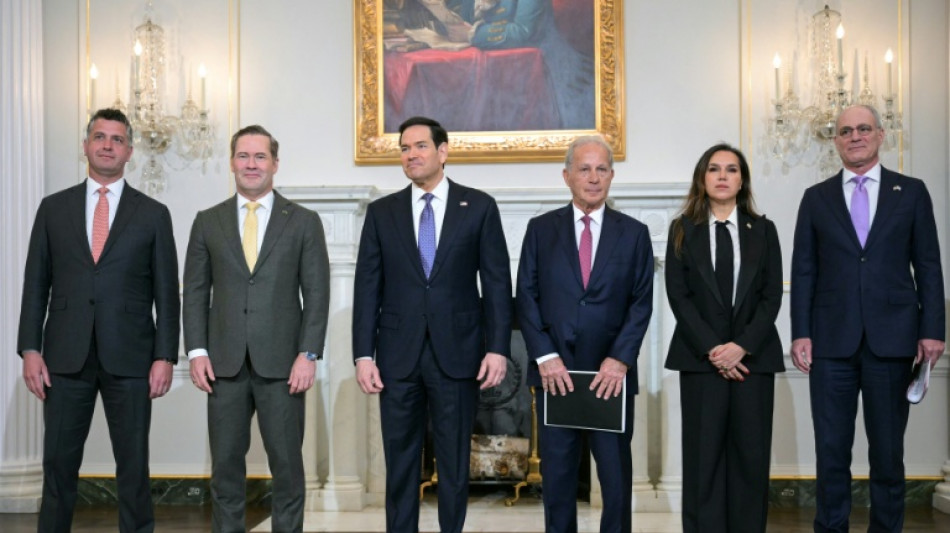
Direct Israel-Lebanon peace talks a 'historic opportunity': Rubio / Photo: Oliver Contreras - AFP

 London
 13 °C
13 °C

 Manchester
12 °C
Manchester
12 °C
 Glasgow
 10 °C
10 °C
 Dublin
 15 °C
15 °C
 Belfast
15 °C
Belfast
15 °C
 Washington
15 °C
Washington
15 °C
 Denver
18 °C
Denver
18 °C
 Atlanta
17 °C
Atlanta
17 °C
 Dallas
 27 °C
27 °C
 Houston Texas
27 °C
Houston Texas
27 °C
 New Orleans
25 °C
New Orleans
25 °C
 El Paso
25 °C
El Paso
25 °C
 Phoenix
31 °C
Phoenix
31 °C
 Los Angeles
24 °C
San Diego
24 °C
San Francisco
14 °C
Chicago
14 °C
Minneapolis
16 °C
Seattle
Los Angeles
24 °C
San Diego
24 °C
San Francisco
14 °C
Chicago
14 °C
Minneapolis
16 °C
Seattle
 11 °C
Portland
15 °C
Salt Lake City
19 °C
Las Vegas
30 °C
Miami
25 °C
Jacksonville
18 °C
San Antonio
28 °C
Bermuda
28 °C
Nassau
14 °C
Iqaluit
2 °C
Yellowknife
3 °C
Anchorage
10 °C
Fairbanks
11 °C
Barrow
2 °C
Calgary
3 °C
Edmonton
13 °C
Winnipeg
17 °C
Goose Bay
14 °C
Halifax
15 °C
Boston
14 °C
Ottawa
12 °C
Toronto
14 °C
Detroit
13 °C
Cleveland
13 °C
New York
15 °C
Baltimore
17 °C
Philadelphia
15 °C
Nuuk (Godthåb)
-1 °C
Hong Kong
11 °C
Portland
15 °C
Salt Lake City
19 °C
Las Vegas
30 °C
Miami
25 °C
Jacksonville
18 °C
San Antonio
28 °C
Bermuda
28 °C
Nassau
14 °C
Iqaluit
2 °C
Yellowknife
3 °C
Anchorage
10 °C
Fairbanks
11 °C
Barrow
2 °C
Calgary
3 °C
Edmonton
13 °C
Winnipeg
17 °C
Goose Bay
14 °C
Halifax
15 °C
Boston
14 °C
Ottawa
12 °C
Toronto
14 °C
Detroit
13 °C
Cleveland
13 °C
New York
15 °C
Baltimore
17 °C
Philadelphia
15 °C
Nuuk (Godthåb)
-1 °C
Hong Kong
 32 °C
Singapore
32 °C
Singapore
 24 °C
Melbourne
23 °C
Canberra
13 °C
Adelaide
21 °C
Darwin
33 °C
Perth
19 °C
Fort Worth
27 °C
Honolulu
26 °C
Sydney
13 °C
Johannesburg
24 °C
Melbourne
23 °C
Canberra
13 °C
Adelaide
21 °C
Darwin
33 °C
Perth
19 °C
Fort Worth
27 °C
Honolulu
26 °C
Sydney
13 °C
Johannesburg
 12 °C
Dubai
12 °C
Dubai
 33 °C
Mumbai
30 °C
Zürich
10 °C
Tokyo
23 °C
Seoul
27 °C
Delhi
25 °C
Beijing
26 °C
Riyadh
32 °C
Prague
9 °C
Pennsylvania
18 °C
Valletta
23 °C
Manama
34 °C
Warsaw
10 °C
Stockholm
8 °C
33 °C
Mumbai
30 °C
Zürich
10 °C
Tokyo
23 °C
Seoul
27 °C
Delhi
25 °C
Beijing
26 °C
Riyadh
32 °C
Prague
9 °C
Pennsylvania
18 °C
Valletta
23 °C
Manama
34 °C
Warsaw
10 °C
Stockholm
8 °C
US Secretary of State Marco Rubio called Tuesday for Israel and Lebanon to seize a "historic opportunity" for peace as the first direct talks in decades between the two countries got underway in Washington.
"This is a historic opportunity. We understand we're working against decades of history and the complexities that have led us to this unique moment and the opportunity here," Rubio said at the State Department as he welcomed the ambassadors of the two countries.
"The hope today is that we can outline a framework upon which a current and lasting peace can be developed," he added.
But pro-Iran Hezbollah -- which is battling Israeli forces in southern Lebanon -- called for the talks to be scrapped before they even began, describing them as "futile."
The Israeli military warned Tuesday that it expected a rise in attacks by Hezbollah targeting the country's north as the talks were being held.
Lebanon was pulled into the region-wide Iran war on March 2 after Hezbollah attacked Israel.
Since then Israeli strikes -- including an extremely heavy attack on Beirut on April 8 -- have killed more than 2,000 people and displaced more than one million, despite international calls for a ceasefire.
Israeli Prime Minister Benjamin Netanyahu said Saturday that "we want the dismantling of Hezbollah's weapons, and we want a real peace agreement that will last for generations."
On the Lebanese side, President Joseph Aoun said Monday he hoped the Washington talks will yield "an agreement...on a ceasefire in Lebanon, with the aim of starting direct negotiations between Lebanon and Israel."
President Donald Trump's administration insists on the disarmament of Hezbollah, but also respect for Lebanon's territorial integrity and sovereignty, while simultaneously upholding Israel's rights -- positions that appear difficult to reconcile.
A former Israeli defense official told journalists on condition of anonymity Monday that it would take "a lot of imagination and optimism to think" that the issues between Israel and Lebanon can be solved in Washington Tuesday, adding that "expectations are low."
A.Mariconda--INP