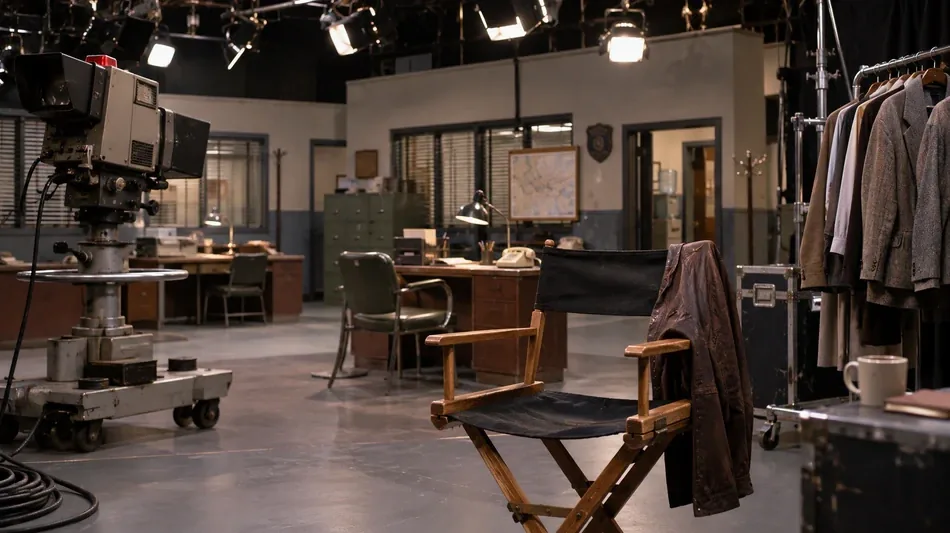
Biography details Johnny Depp’s efforts to leave 21 Jump Street

 London
 3 °C

 Manchester
 3 °C
 Glasgow
0 °C
 Dublin
 9 °C
 Belfast
8 °C
 Washington
 11 °C
 Denver
 14 °C
 Atlanta
6 °C
 Dallas
 12 °C
 Houston Texas
15 °C
 New Orleans
 14 °C
 El Paso
16 °C
 Phoenix
24 °C
 Los Angeles
27 °C
San Diego
26 °C
San Francisco
17 °C
Chicago
7 °C
Minneapolis
4 °C
Seattle
11 °C
Portland
 13 °C
Salt Lake City
9 °C
Las Vegas
18 °C
Miami
25 °C
Jacksonville
17 °C
San Antonio
17 °C
Bermuda
25 °C
Nassau
7 °C
Iqaluit
 -21 °C
Yellowknife
 -11 °C
Anchorage
-7 °C
Fairbanks
-19 °C
Barrow
-7 °C
Calgary
7 °C
Edmonton
6 °C
Winnipeg
3 °C
Goose Bay
3 °C
Halifax
8 °C
Boston
7 °C
Ottawa
2 °C
Toronto
5 °C
Detroit
4 °C
Cleveland
5 °C
New York
6 °C
Baltimore
10 °C
Philadelphia
8 °C
Nuuk (Godthåb)
-6 °C
Hong Kong
19 °C
Singapore
28 °C
Melbourne
21 °C
Canberra
18 °C
Adelaide
22 °C
Darwin
28 °C
Perth
 14 °C
Fort Worth
12 °C
Honolulu
22 °C
Sydney
21 °C
Johannesburg
18 °C
Dubai
27 °C
Mumbai
27 °C
Zürich
0 °C
Tokyo
10 °C
Seoul
8 °C
Delhi
16 °C
Beijing
9 °C
Riyadh
18 °C
Prague
-1 °C
Pennsylvania
5 °C
Valletta
18 °C
Manama
24 °C
Warsaw
-3 °C
Stockholm
-2 °C
A new biography describes Johnny Depp’s conduct during 21 Jump Street and his attempts to escape the television contract that made him a teen idol.
A new biography describes Johnny Depp’s conduct during 21 Jump Street and his attempts to escape the television contract that made him a teen idol.
Johnny Depp’s disgraceful behavior to get out of filming Season 2 of “21 Jump Street” has been exposed. “He showed up to film dressed as Gandhi,” author Mark Seal writes in his new biography, “The Many Faces of Johnny Depp.”
“He lit his underwear on fire on set to protest that his trailer hadn’t been cleaned. He wore a Band-Aid to obscure his famous face for the camera.” The actor, now 63, also managed to get himself arrested and charged with assault “after a confrontation with a security guard during a party at a Vancouver hotel.” However, he still managed to keep his role.
The teen series, which aired from 1987 to 1991, focused on a squad of youthful-looking undercover police officers investigating crimes in high schools. Depp quickly became a teen idol; his face was splashed across magazine covers, and he became the face of the fledgling Fox network. His salary rose dramatically from $6,000 per episode in the first season to $12,000 the second and then to $45,000 in the third.
Depp also had an issue with the show’s premise, saying in a 1990 interview with Sky Magazine, “I don’t really agree with the idea of cops in high schools. Morally, I don’t agree with it. I think it’s slightly unjust; I think it’s borderline fascism.” Only one of Depp’s co-stars confronted him on “what an a–hole he was being,” Seal writes.
Holly Robinson understood that Depp was miserable, but she was “over the moon to be a part of this show, and it’s hard to come to work every day with someone who is pissing all over it.” Robinson spoke to Depp in his Winnebago trailer “and told him how [she] felt, and right after that he trashed his Winnebago.”
“He’s got a really great heart,” Robinson recalled to Seal. “But he was frustrated. He just hated the idea of being on a lunch box or some teenage girl’s wall.” Depp even offered to work for free if he could be released from his contract.
He fought back against his teenybopper image by starring in the John Waters flick “Cry-Baby” about a 1950s rebel who falls in love with a “square” girl. The book also delves into the astonishing amount of money Depp has earned during his career and the equally astonishing amount he has blown.
A.Foglio--INP