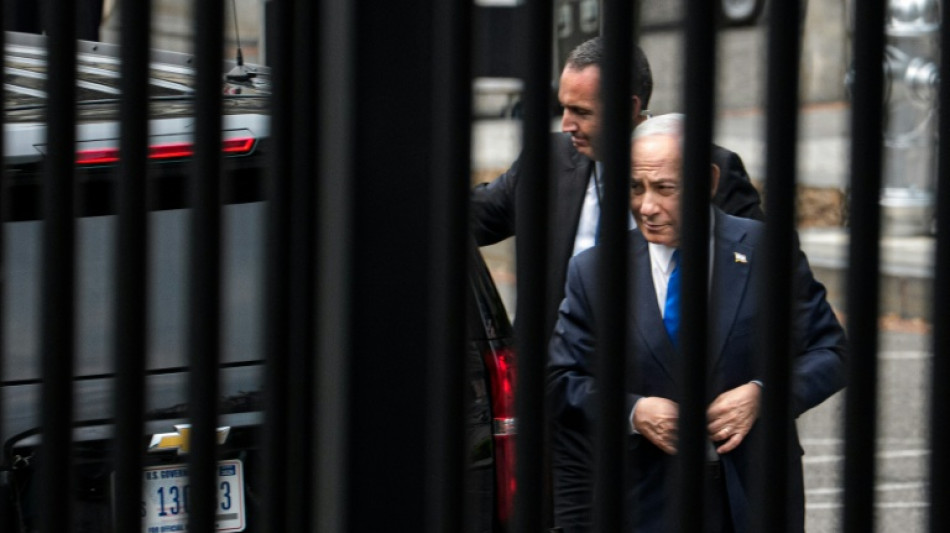
Netanyahu at White House for first Trump talks during Iran war / Photo: Andrew Harnik - GETTY IMAGES NORTH AMERICA/AFP

 London
 20 °C
20 °C

 Manchester
 16 °C
16 °C
 Glasgow
15 °C
Glasgow
15 °C
 Dublin
18 °C
Dublin
18 °C
 Belfast
16 °C
Belfast
16 °C
 Washington
27 °C
Washington
27 °C
 Denver
 18 °C
18 °C
 Atlanta
26 °C
Atlanta
26 °C
 Dallas
34 °C
Dallas
34 °C
 Houston Texas
32 °C
Houston Texas
32 °C
 New Orleans
 31 °C
31 °C
 El Paso
26 °C
El Paso
26 °C
 Phoenix
31 °C
Phoenix
31 °C
 Los Angeles
22 °C
San Diego
22 °C
San Francisco
14 °C
Chicago
Los Angeles
22 °C
San Diego
22 °C
San Francisco
14 °C
Chicago
 19 °C
Minneapolis
16 °C
Seattle
13 °C
Portland
14 °C
Salt Lake City
18 °C
Las Vegas
28 °C
Miami
31 °C
Jacksonville
29 °C
San Antonio
30 °C
Bermuda
30 °C
Nassau
19 °C
Iqaluit
5 °C
Yellowknife
13 °C
Anchorage
7 °C
Fairbanks
5 °C
Barrow
-2 °C
Calgary
17 °C
Edmonton
33 °C
Winnipeg
11 °C
Goose Bay
16 °C
Halifax
17 °C
Boston
17 °C
Ottawa
17 °C
Toronto
20 °C
Detroit
15 °C
Cleveland
20 °C
New York
20 °C
Baltimore
26 °C
Philadelphia
22 °C
Nuuk (Godthåb)
4 °C
Hong Kong
19 °C
Minneapolis
16 °C
Seattle
13 °C
Portland
14 °C
Salt Lake City
18 °C
Las Vegas
28 °C
Miami
31 °C
Jacksonville
29 °C
San Antonio
30 °C
Bermuda
30 °C
Nassau
19 °C
Iqaluit
5 °C
Yellowknife
13 °C
Anchorage
7 °C
Fairbanks
5 °C
Barrow
-2 °C
Calgary
17 °C
Edmonton
33 °C
Winnipeg
11 °C
Goose Bay
16 °C
Halifax
17 °C
Boston
17 °C
Ottawa
17 °C
Toronto
20 °C
Detroit
15 °C
Cleveland
20 °C
New York
20 °C
Baltimore
26 °C
Philadelphia
22 °C
Nuuk (Godthåb)
4 °C
Hong Kong
 28 °C
Singapore
29 °C
Melbourne
29 °C
Canberra
12 °C
Adelaide
13 °C
Darwin
24 °C
Perth
14 °C
Fort Worth
32 °C
Honolulu
25 °C
Sydney
20 °C
Johannesburg
18 °C
Dubai
37 °C
Mumbai
29 °C
Zürich
24 °C
Tokyo
28 °C
Singapore
29 °C
Melbourne
29 °C
Canberra
12 °C
Adelaide
13 °C
Darwin
24 °C
Perth
14 °C
Fort Worth
32 °C
Honolulu
25 °C
Sydney
20 °C
Johannesburg
18 °C
Dubai
37 °C
Mumbai
29 °C
Zürich
24 °C
Tokyo
 21 °C
Seoul
18 °C
Delhi
30 °C
Beijing
21 °C
Seoul
18 °C
Delhi
30 °C
Beijing
 19 °C
Riyadh
36 °C
Prague
19 °C
Pennsylvania
22 °C
Valletta
27 °C
Manama
34 °C
Warsaw
16 °C
Stockholm
13 °C
19 °C
Riyadh
36 °C
Prague
19 °C
Pennsylvania
22 °C
Valletta
27 °C
Manama
34 °C
Warsaw
16 °C
Stockholm
13 °C
Israeli Prime Minister Benjamin Netanyahu arrived Tuesday at the White House for his first in-person talks with President Donald Trump since the Iran war began, as the leaders seek to patch over public disagreements on the conflict.
The meeting is expected to be dominated by the war, which began with US and Israeli strikes on Iran in late February but has seen a recent pause in the fighting as Washington says it wants to give negotiations a chance.
Israel has not taken part in the latest round of hostilities between the United States and Iran, which flared earlier this month as an April ceasefire collapsed.
The meeting is the eighth between the leaders since Trump's return to office in early 2025 and comes ahead of key electoral tests later this year for both Netanyahu and the US president: national elections in Israel and midterm polls in the United States.
"We will discuss all the issues on the agenda, first and foremost Iran. Naturally, our goal is to safeguard our security and also to expand the circle of peace around us," Netanyahu said before departing from Israel.
Upon arriving in Washington, Netanyahu attended a private memorial dinner on Monday evening in honor of the late senator Lindsey Graham, his office said.
He was also scheduled to attend the memorial service for Graham later Tuesday.
Relations between Trump and Netanyahu reached a low point in April during negotiations on the ceasefire with Iran, with Trump unleashing profanity-laced tirades against his Israeli ally.
Trump later described Netanyahu in an interview as a "very difficult guy."
Netanyahu downplayed the exchanges as "tactical disagreements," saying they were aligned on the goals of the war.
On Tuesday, the leaders were expected to discuss the implementation of a US-sponsored framework deal signed by Israel and Lebanon last month, whose application on the ground has been challenging.
The talks were also expected to touch on Gaza, as diplomatic efforts to kickstart the devastated Palestinian territory's reconstruction are at a standstill.
Nearly three years after the war between Israel and Hamas broke out, the humanitarian situation in Gaza remains dire, and Israel continues to regularly target people the military says are militants.
- 'No break' in ties -
Danny Danon, Israel's ambassador to the United Nations, said Tuesday that Netanyahu's visit comes at a "critical time for the Middle East," with Iran continuing "to choose terrorism over negotiations" and blocking the key Strait of Hormuz waterway.
Yonatan Freeman, an international relations expert at the Hebrew University of Jerusalem, said the primary aim of the visit is to dispel reports of a cooling in ties between the allies.
"I think that the main issue... is to show the world, to show Iran, and also even Lebanon and others... that there is no break or any kind of major disagreement between the United States and Israel," he told AFP.
"There's more in agreement between the two leaders than disagreement."
For Freeman, any differences between Trump and Netanyahu concern the means -- timeline, intensity, immediate objectives of operations -- rather than the ends of the war.
He also suggested that Trump would mainly seek to focus on his two regional priorities, namely Iran and the expansion of the Abraham Accords, rather than on Gaza, which he sees as less of a priority.
The Abraham Accords are a series of US-brokered normalization agreements signed during Trump's first term, under which Israel established formal diplomatic relations with the United Arab Emirates and Bahrain for the first time, followed by Morocco.
But other observers believe that the talks could address the possible easing of Israel's military presence in the region, such as in Lebanon, Syria or Gaza.
C.Albano--INP