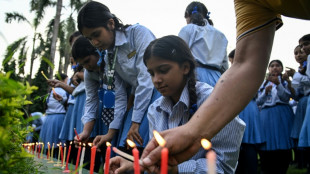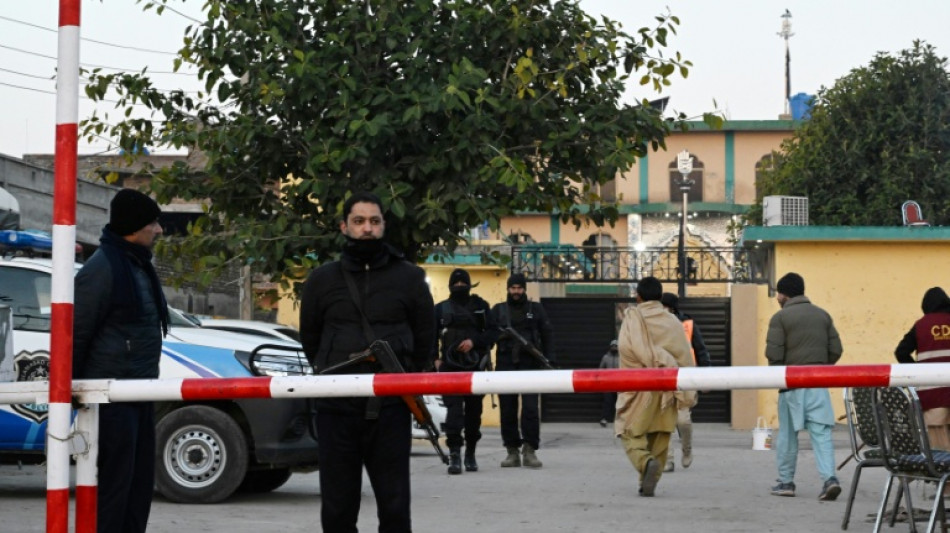
Funerals for victims of suicide blast at Islamabad mosque that killed at least 31 / Photo: Aamir QURESHI - AFP

 London
 22 °C
22 °C

 Manchester
20 °C
Manchester
20 °C
 Glasgow
17 °C
Glasgow
17 °C
 Dublin
 16 °C
16 °C
 Belfast
15 °C
Belfast
15 °C
 Washington
 24 °C
24 °C
 Denver
 39 °C
39 °C
 Atlanta
 32 °C
32 °C
 Dallas
36 °C
Dallas
36 °C
 Houston Texas
38 °C
Houston Texas
38 °C
 New Orleans
28 °C
New Orleans
28 °C
 El Paso
35 °C
El Paso
35 °C
 Phoenix
45 °C
Phoenix
45 °C
 Los Angeles
32 °C
San Diego
Los Angeles
32 °C
San Diego
 28 °C
San Francisco
24 °C
Chicago
23 °C
Minneapolis
30 °C
Seattle
20 °C
Portland
23 °C
Salt Lake City
38 °C
Las Vegas
46 °C
Miami
30 °C
Jacksonville
31 °C
San Antonio
38 °C
Bermuda
29 °C
Nassau
27 °C
Iqaluit
15 °C
Yellowknife
16 °C
Anchorage
16 °C
Fairbanks
21 °C
Barrow
2 °C
Calgary
22 °C
Edmonton
23 °C
Winnipeg
35 °C
Goose Bay
21 °C
Halifax
26 °C
Boston
28 °C
Ottawa
21 °C
Toronto
20 °C
Detroit
24 °C
Cleveland
23 °C
New York
27 °C
Baltimore
25 °C
Philadelphia
30 °C
Nuuk (Godthåb)
8 °C
Hong Kong
26 °C
Singapore
29 °C
Melbourne
26 °C
Canberra
3 °C
Adelaide
10 °C
Darwin
21 °C
Perth
28 °C
San Francisco
24 °C
Chicago
23 °C
Minneapolis
30 °C
Seattle
20 °C
Portland
23 °C
Salt Lake City
38 °C
Las Vegas
46 °C
Miami
30 °C
Jacksonville
31 °C
San Antonio
38 °C
Bermuda
29 °C
Nassau
27 °C
Iqaluit
15 °C
Yellowknife
16 °C
Anchorage
16 °C
Fairbanks
21 °C
Barrow
2 °C
Calgary
22 °C
Edmonton
23 °C
Winnipeg
35 °C
Goose Bay
21 °C
Halifax
26 °C
Boston
28 °C
Ottawa
21 °C
Toronto
20 °C
Detroit
24 °C
Cleveland
23 °C
New York
27 °C
Baltimore
25 °C
Philadelphia
30 °C
Nuuk (Godthåb)
8 °C
Hong Kong
26 °C
Singapore
29 °C
Melbourne
26 °C
Canberra
3 °C
Adelaide
10 °C
Darwin
21 °C
Perth
 11 °C
Fort Worth
36 °C
Honolulu
27 °C
Sydney
10 °C
Johannesburg
9 °C
Dubai
11 °C
Fort Worth
36 °C
Honolulu
27 °C
Sydney
10 °C
Johannesburg
9 °C
Dubai
 34 °C
Mumbai
28 °C
Zürich
34 °C
Mumbai
28 °C
Zürich
 23 °C
Tokyo
24 °C
Seoul
27 °C
Delhi
32 °C
Beijing
25 °C
Riyadh
36 °C
Prague
22 °C
Pennsylvania
24 °C
Valletta
28 °C
Manama
34 °C
Warsaw
20 °C
Stockholm
17 °C
23 °C
Tokyo
24 °C
Seoul
27 °C
Delhi
32 °C
Beijing
25 °C
Riyadh
36 °C
Prague
22 °C
Pennsylvania
24 °C
Valletta
28 °C
Manama
34 °C
Warsaw
20 °C
Stockholm
17 °C
Funerals will take place on Saturday for some of the victims of a suicide blast at a Shiite mosque in Pakistan's capital Islamabad that killed at least 31 people and wounded scores more during Friday prayers.
The Islamic State group (IS) has claimed responsibility for the attack, the deadliest in Islamabad since the 2008 Marriott hotel bombing.
City officials said 31 people died and another 169 were wounded in the explosion at the Imam Bargah Qasr-e-Khadijatul Kubra mosque on the city's outskirts. The death toll was expected to rise.
The blast occurred during Friday prayers, when mosques are packed with worshippers.
"The attacker was stopped at the gate and detonated himself," a security source told AFP.
Muhammad Kazim, 52, said an "extremely powerful" explosion ripped through the building as prayers were just starting.
Another worshipper, Imran Mahmood, told AFP there was a gunfight between the bomber and volunteer security personnel at the mosque.
"The suicide attacker was trying to move forward, but one of our injured volunteers fired at him from behind, hitting him in the thigh," he told AFP.
He then "detonated the explosives", Mahmood added.
- Bodies, bloodied clothing, debris -
AFP journalists at a major hospital on Friday afternoon saw several people, including children, being carried in on stretchers or by their arms and legs.
Medics and bystanders helped unload victims with blood-soaked clothes from the back of ambulances and vehicles as friends and relatives of the wounded wept and screamed.
Heavily armed security forces guarded the mosque, where pools of blood were visible on the ground.
Videos shared on social media, which AFP was not able to immediately verify, showed several bodies lying near the mosque's front gate, with people and debris also strewn across the red-carpeted prayer hall.
Prime Minister Shehbaz Sharif vowed that those behind the blast would be found and brought to justice.
Deputy Prime Minister Ishaq Dar branded the attack "a heinous crime against humanity and a blatant violation of Islamic principles".
- Growing insurgencies -
The attack comes as Pakistan's security forces battle intensifying insurgencies in southern and northern provinces that border Afghanistan.
Pakistan is a Sunni-majority nation, but Shiites make up between 10 and 15 percent of the population and have been targeted in attacks throughout the region in the past.
The last major attack in Islamabad took place in November when a suicide blast outside a court killed 12 people and wounded dozens, the first such incident to hit the capital in nearly three years.
In Balochistan, attacks claimed by separatist insurgents last week killed 36 civilians and 22 security personnel, prompting a wave of counter-operations in which authorities said security forces killed almost 200 militants.
Friday's attack was the deadliest in the Pakistani capital since September 2008, when 60 people were killed in a suicide truck bomb blast that destroyed part of the five-star Marriott hotel.
E.Scozzafava--INP